Your caravan's layout is how it lives day to day, where you sleep, cook, wash and store. The right one depends on who travels: couples can go shorter and lighter, families need bunks and a full bathroom, and full-timers want storage and living space. Layout also shapes length and weight, so it's a towing decision too.
Couples
Front island bed, cafe or club lounge, rear or mid bathroom, comfort in a shorter, lighter van.
Families
Front bed plus rear bunks and a full bathroom, everyone sleeps, in a longer, heavier van.
Full-timers
Storage, a proper kitchen and a comfortable lounge, the van as a home, not just a bed.
Bathroom position
Rear ensuite for space, or mid/combined to save length and weight. It shapes the whole plan.
Why layout matters more than length
Two vans the same length can live completely differently depending on layout. Where the bed, bathroom, kitchen and lounge sit decides how the van feels day to day, and how much it weighs and stores. Start with how you'll live in it, not the floor length.
It's easy to shop on length and price, but a well-planned shorter van can live bigger than a poorly-planned long one. Picture your daily routine in each floorplan, morning coffee, a wet day inside, making the bed, and the right layout usually makes itself obvious.
Layouts for couples
Couples usually want a front island bed, a cafe or club lounge, and a rear or mid bathroom, comfort without the length. It's the lightest, easiest-to-tow category, which is why couples can consider smaller, more capable vans.
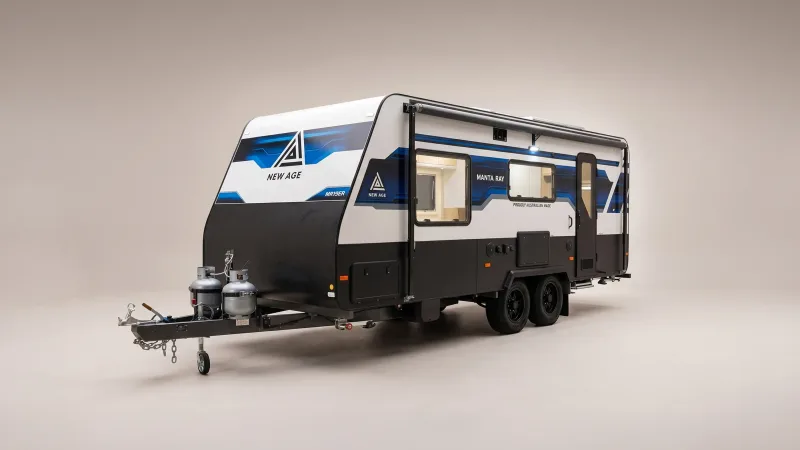
With only two people to sleep, the space goes into living rather than beds: a walk-around island bed, a proper lounge to relax in, and a bathroom sized to taste. Because these vans are shorter and lighter, they suit a wider range of tow vehicles, the Manta Ray is a good light, couple-friendly example.
Layouts for families
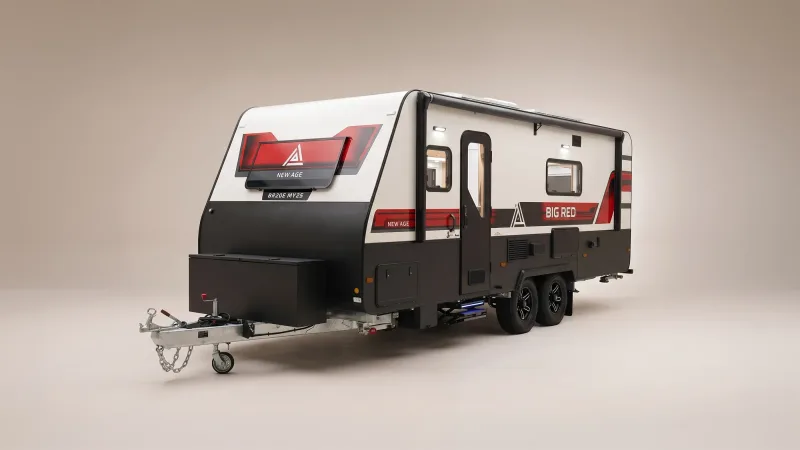
Families need sleeping for everyone and a full bathroom, typically a front bed for the parents, rear bunks for the kids, and a mid or rear ensuite. Bunk vans are longer and heavier, so the tow-match matters more here.
Bunks, a dinette that converts, and a separate bathroom are what make family travel work. But every extra berth adds length and weight. That makes the towing check especially important for families; a big bunk van can quickly outgrow a mid-size tow car.
Layouts for full-timers
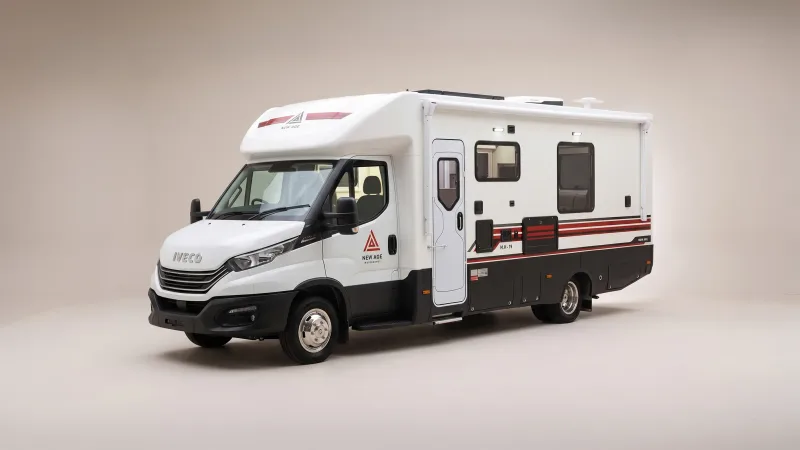
Living in the van full-time shifts the priorities to storage, a proper kitchen, a comfortable lounge and a good bathroom. Full-timers often trade a bunk or two for wardrobe, pantry and living space, the van is home, not just a bed.
When the van is your house, day-to-day comfort beats maximum sleeping capacity. Full-timer-friendly layouts lean into big fridges, generous storage, a real kitchen bench and a lounge you can happily sit in through a week of rain.
Bathroom & kitchen placement
The two rooms that shape a floorplan most are the bathroom and kitchen. A rear ensuite gives a big bathroom but pushes length; a mid or combined ensuite saves space. A full off-side kitchen suits cooking inside; a compact or slide-out kitchen saves weight and length.
These two decisions ripple through the whole van. Choosing a large rear bathroom, for instance, moves the bed and lounge forward and lengthens the body; a combined shower-toilet keeps things short. Decide how much you'll cook and wash inside, and the rest of the plan tends to follow.
How layout affects weight & towing
Layout is a weight decision. More rooms, a bigger bathroom and a longer body all add kilos and length, which feeds straight into what your car can tow. A lighter couples' layout opens up more tow vehicles than a big family bunk van.
Before you fall for a floorplan, sanity-check its weight against your car. Our caravan weights explained guide covers the terms, and what can your car tow? shows how to confirm a specific layout's ATM suits your vehicle.
New Age layouts
New Age offers couples, family and full-timer layouts across its range, so you can match the floorplan to who travels and then check it against your tow car.
The best way to choose is to walk through a few in person. But you can narrow it first. Browse the range by who's travelling, shortlist the layouts that fit, then confirm the weights before you commit. Start from the complete buying guide if you want the whole decision in order.