The Flinders Ranges, in outback South Australia, is off-grid caravanning at its best, ancient gorges, remote bush camps and some of the darkest night skies in the country. Much of it is unpowered and some is genuinely remote, so it rewards a van set up for off-grid. Here are the gems and what you need to reach them.
The gems
Wilpena Pound, Brachina and Bunyeroo gorges, and remote station-stay camps.
Access
Sealed to the main hubs; gravel and dirt to the best of it. Check conditions.
Off-grid
Most camps are unpowered, bring battery, solar and water to stay comfortably.
Season
Autumn to spring; summer is very hot and best avoided out here.
The Flinders Ranges
The Flinders Ranges is a rugged mountain range in outback South Australia, a few hundred kilometres north of Adelaide. Its centrepiece is Wilpena Pound, a vast natural amphitheatre, surrounded by gorges, gum-lined creeks and abundant wildlife.
It's remote enough to feel wild but accessible enough to reach with a well-set-up caravan. The scenery, the geology and the dark skies are the draw, and much of the best of it is off-grid, which is exactly why it suits a self-sufficient van.
Best camps & gorges
The highlights are Wilpena Pound, the Brachina and Bunyeroo gorges, and the outback station-stay camps dotted through the ranges. Many are unpowered bush camps beside a creek, simple, beautiful and dark enough for serious stargazing.
Station stays are a Flinders speciality, working sheep stations that open paddocks to campers, often with the best access to the gorges. They range from basic to well-equipped, and they're a big part of what makes the region special.
Access & road conditions
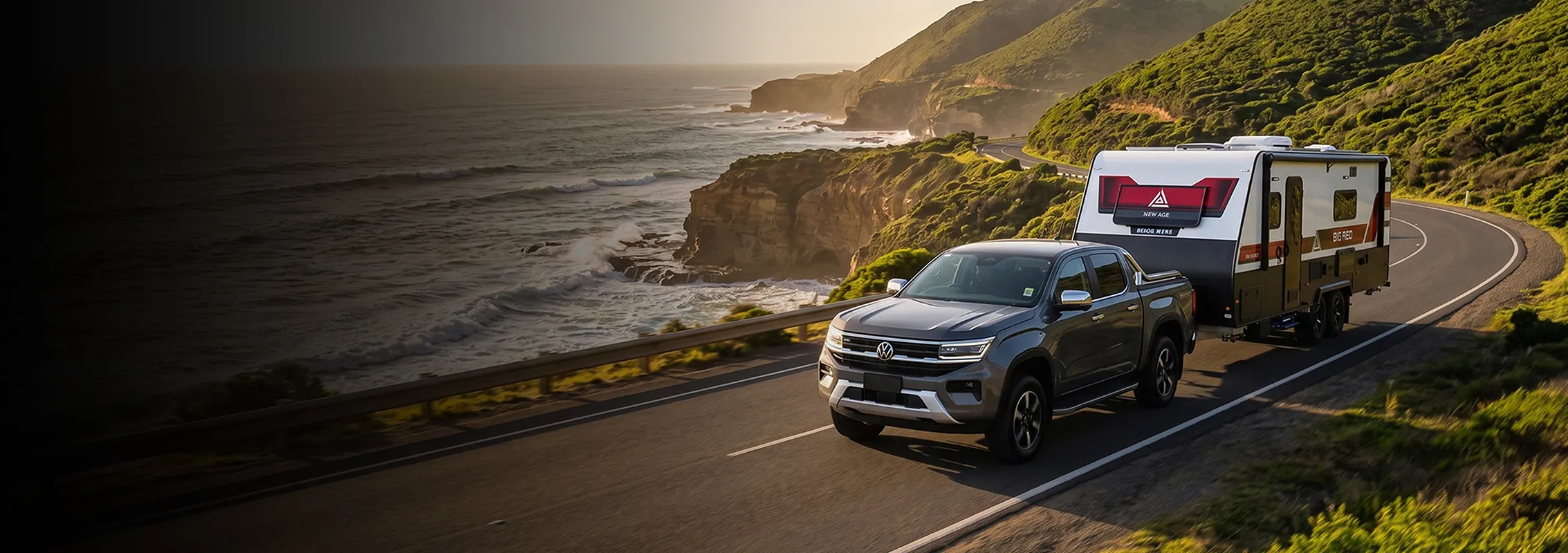
Main routes to the hubs are sealed, but the best gorges and camps are reached on gravel and dirt that can corrugate or wash out. A van with off-road capability opens up far more of the region, and you should always check conditions before heading in.
Check road conditions before you go. Unsealed roads in the Flinders can close after rain and vary from smooth gravel to rough dirt. Confirm current conditions and any access restrictions with the relevant park or council authority, and don't attempt closed or unsuitable roads.
What your van needs
Most Flinders camps are unpowered, so you need a van that runs off-grid: battery and solar for power, water on board, and a way to manage waste. That's what lets you stay in the best spots rather than retreating to a powered park.
Size your systems to how long you want to stay put, our off-grid power guide covers battery, solar and water. Reaching the remote gorges also favours an off-road build, so a hybrid or off-road van earns its keep here.
Water & supplies
Stock up in the gateway towns, Hawker and Quorn, before you head in, and carry more water than you think you'll need. Supplies inside the ranges are limited, and you may be a fair way from the nearest shop.
Fuel, groceries and drinking water are easiest to sort in town, so top up tanks and pantry before the last stretch. Being self-contained means you can stay in the quiet camps longer without a supply run.
Best time to go
Visit autumn to spring (roughly April to October). Summer in the Flinders is very hot and best avoided; the cooler months bring comfortable days, wildflowers after rain, and the clear nights the region is famous for.
Cooler months are also kinder to off-grid camping, less strain on fridges and batteries, and far more pleasant walking through the gorges. Aim for the shoulder seasons for the best balance of weather and space.
Built for the outback
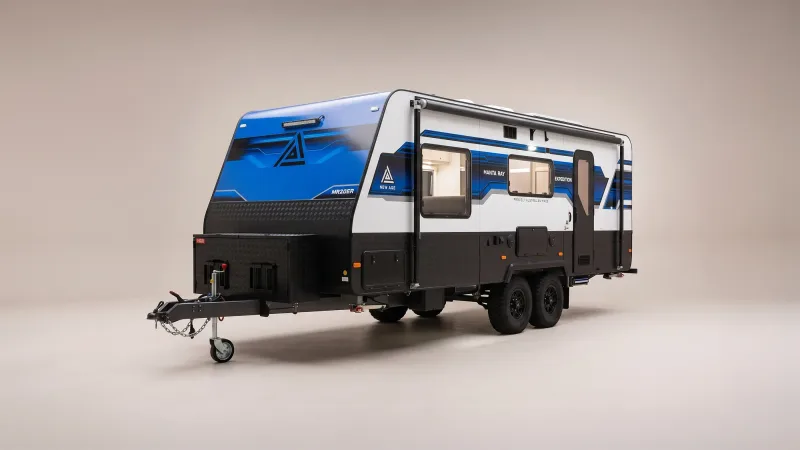
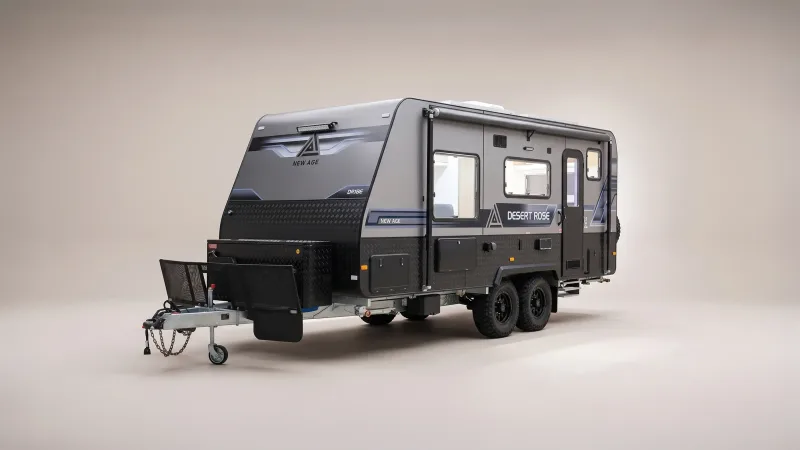
The Flinders rewards a van that's off-road capable and off-grid ready, tough enough for the gravel, and self-sufficient enough for the unpowered camps. That combination is what gets you to the best of the ranges.
New Age's off-road range is built for exactly this kind of country. If the outback is calling, browse the off-road range, and if you're weighing it up, which New Age is right for me? helps you choose.